
Trees That Threaten Structures and Safety
Tree Removal in Evansville for dead, damaged, or hazardous trees near homes and utility lines
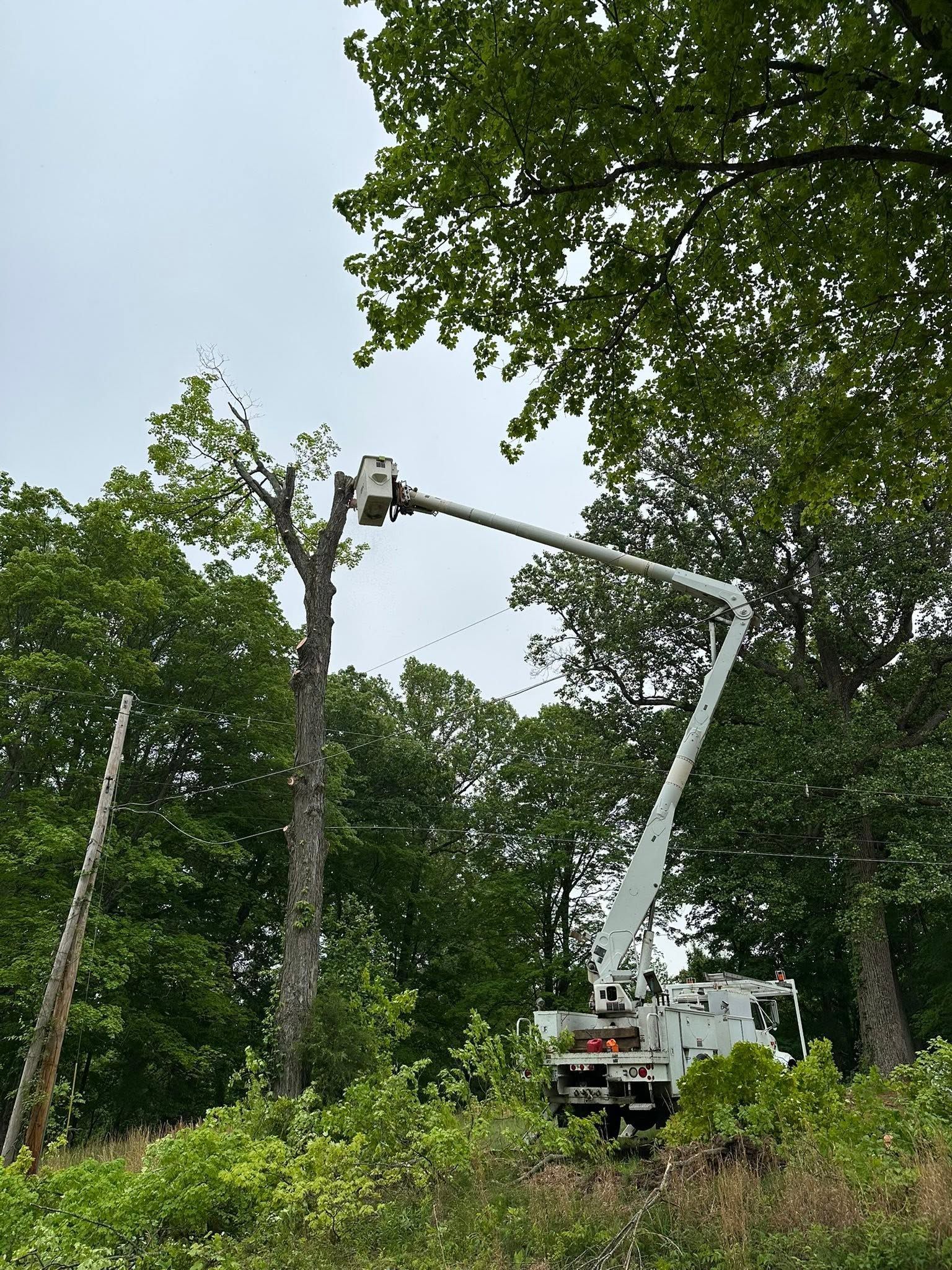
DJ Tree Service removes hazardous, dead, and structurally compromised trees from residential and commercial properties across Evansville. Property owners typically need this service when trees lean toward buildings, show extensive decay, or have root systems that destabilize during Indiana's freeze-thaw cycles. Professional equipment and proven safety procedures allow the team to handle trees in difficult locations, including those positioned near fences, driveways, and overhead power lines.
The removal process addresses situations where tree failure could damage structures, vehicles, or landscaping, with particular attention to trees that have sustained storm damage or show signs of disease progression. Each project is assessed for site-specific challenges, including proximity to obstacles and the safest dismantling sequence to protect surrounding property features.
Schedule a property evaluation to identify trees that pose current or developing safety concerns.
What Proper Tree Removal Requires
Removing a tree near structures or utility lines involves deliberate rigging and sectional dismantling rather than simple felling. The crew evaluates lean direction, weight distribution, and nearby obstacles before determining whether the tree can be dropped in one piece or must be taken down in controlled sections using ropes and pulleys.
Once the tree is down, you'll notice the immediate elimination of the overhead hazard, along with cleared sight lines and restored access to previously obstructed areas. The removal includes cleanup and debris hauling, leaving the site ready for stump grinding or replanting. Properties with trees that formerly blocked sunlight or dropped excessive debris onto roofs will see those recurring problems stop completely.
The service does not include stump removal, which requires separate grinding equipment to reduce the remaining wood below ground level. Trees located in tight spaces may require additional time for piece-by-piece lowering to avoid contact with nearby structures, and the approach adjusts based on whether the tree is still rooted or has already partially failed.
Questions Property Owners Usually Ask
Tree removal decisions often involve safety concerns and logistical considerations specific to each property layout and tree condition.
What makes a tree hazardous enough to require removal?
Trees with significant decay, cracks in the trunk, root heave, or severe lean toward structures typically warrant removal, especially if they show progressive instability after storms or during seasonal soil saturation common in Evansville.
How is a tree removed when it's close to a house or fence?
The tree is dismantled in sections, with each piece rigged and lowered using ropes to control the descent and prevent contact with nearby structures.
What happens to the wood and debris after the tree comes down?
All branches, logs, and debris are removed from the site as part of the completed project, leaving the area cleared except for the stump.
When should I schedule removal instead of waiting?
If the tree has visible structural defects, leans increasingly after wind events, or drops large dead branches, removal should happen before those conditions worsen and create emergency situations.
Why does the stump stay behind after tree removal?
Stump grinding requires different equipment designed specifically to reduce wood below the soil surface, and it's typically performed as a separate service after the main removal is complete.
DJ Tree Service handles tree removals for properties where hazardous or unwanted trees create ongoing concerns. Contact the team to arrange an evaluation before tree conditions escalate into safety emergencies.